Famille des Fabacées
396 variétés de la famille des Fabacées disponibles sur Seedelli, regroupées depuis Kokopelli, La Ferme de Sainte Marthe, Germinance et Semaille. Principaux groupes : haricots, pois, légumineuses et fèves. Une famille botanique qui recouvre à la fois des légumes, des aromatiques et parfois des fleurs ornementales.
396 variétés

Alfalfa Bio
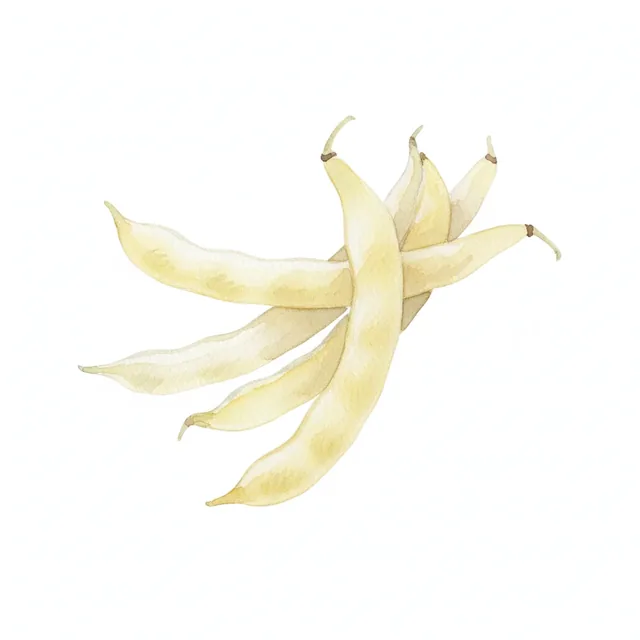
Alice Sunshine

Aquadulce
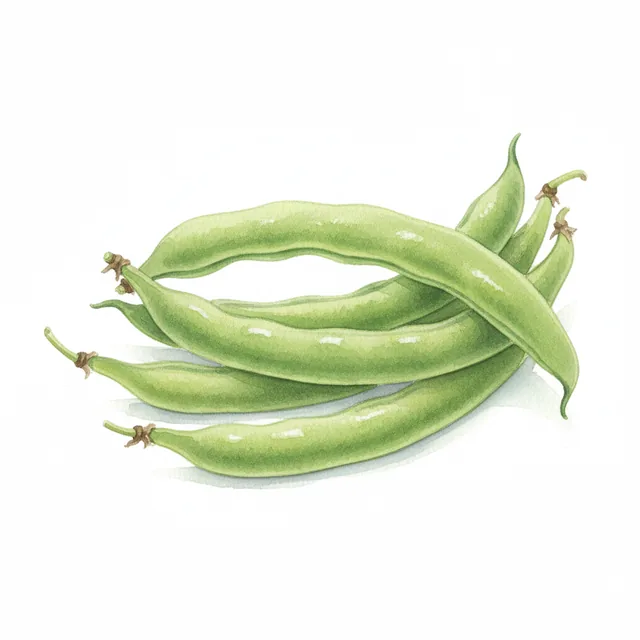
Argus
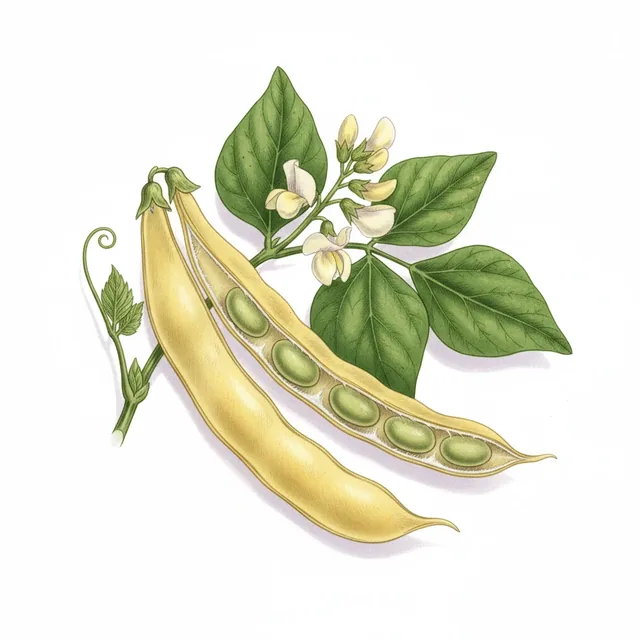
Beurre de Berne

Beurre de Rocquencourt
Beurre de Rocquencourt
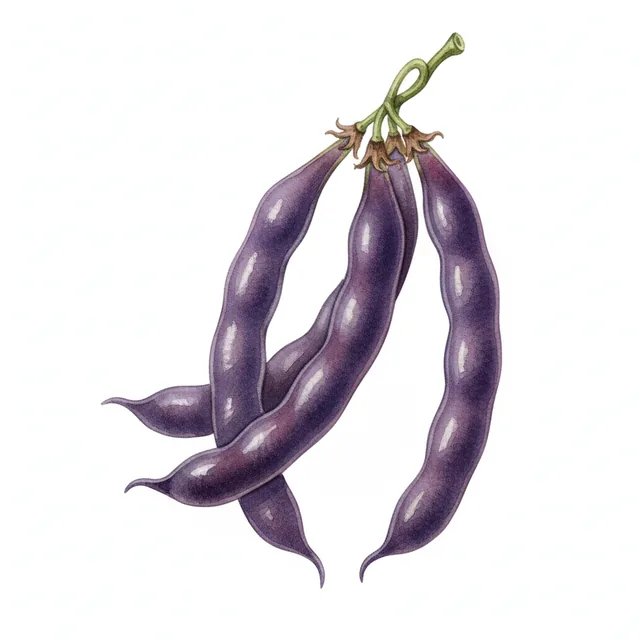
Blauhilde
Blue Lake
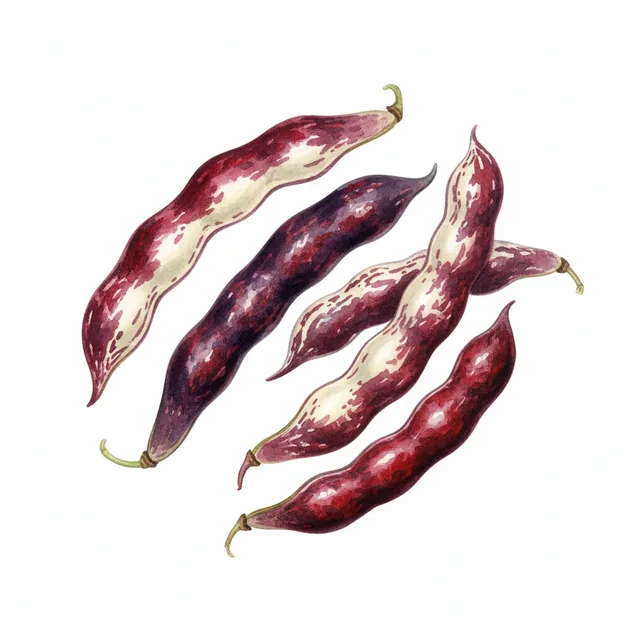
Button
Cacahuete Arachide
Chataigne de terre

Chickpeas Alta Anoia
Chickpeas Badil
cockle Ocean Pearl
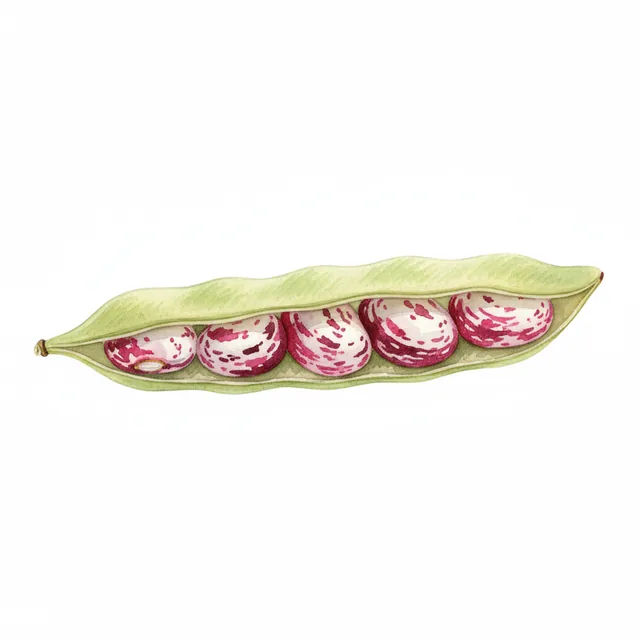
Coco de Prague
Coco Nain Blanc
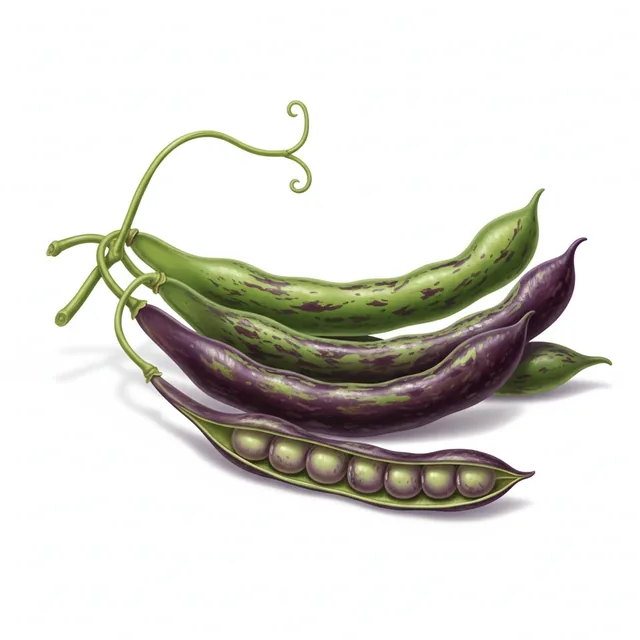
Codair
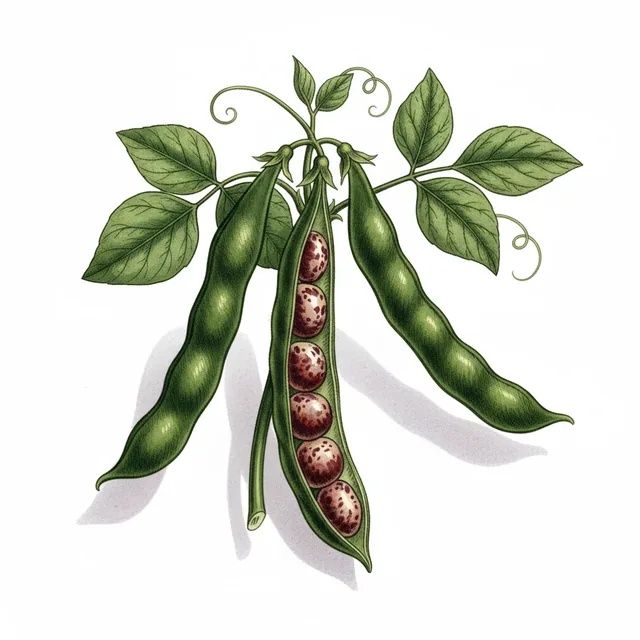
Common Bean Agate Pinto
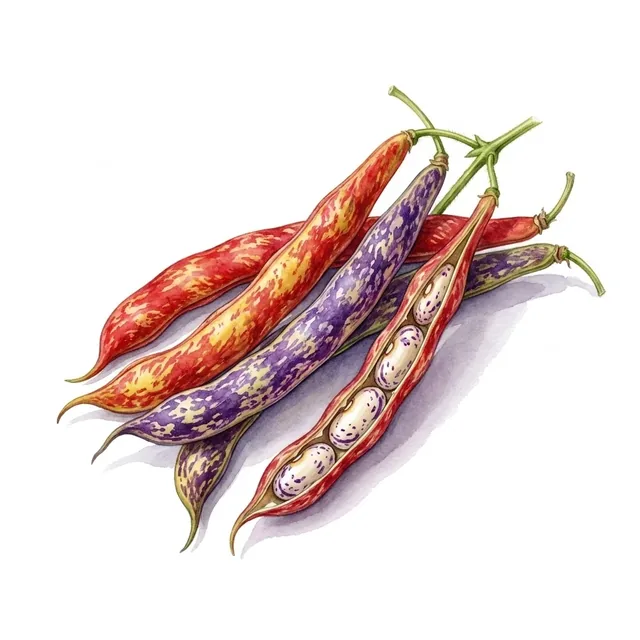
Common Bean Borlotto

Common Bean Canadian Wonder
Common Bean Cannellini
Common Bean Cocagne
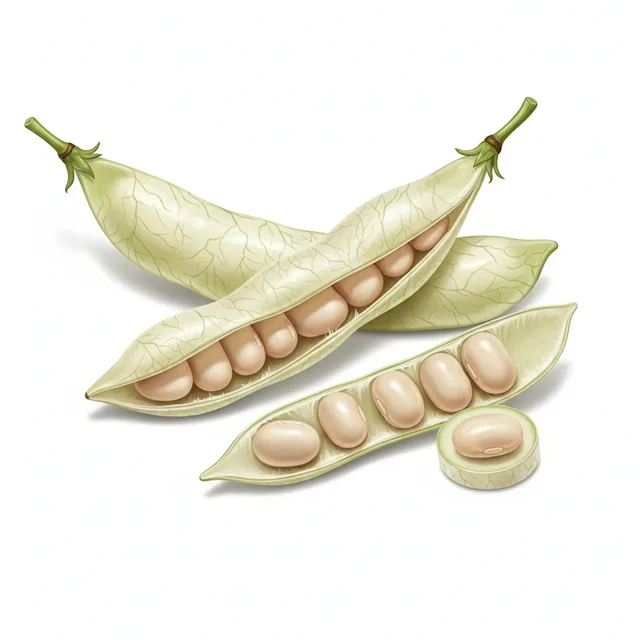
Common Bean Coco Blanc Nain Précoce
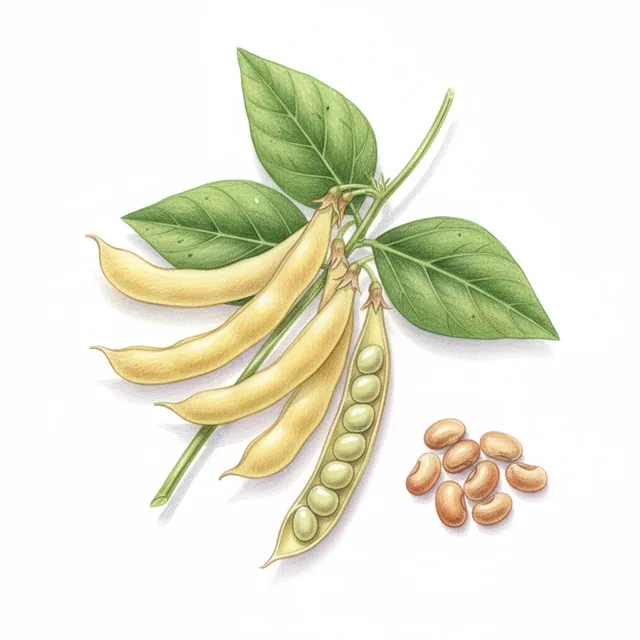
Common Bean Coco de la Meuse
Common Bean Coco de Prague

Common Bean Coco Jaune du Limousin
Common Bean Countess de Chambord
Common Bean Flageolet Chevrier Vert

Common Bean Horticultural Taylor's Bean
Common Bean Jacob's Cattle

Common Bean Lingot Suisse Blanc

Common Bean Marfax
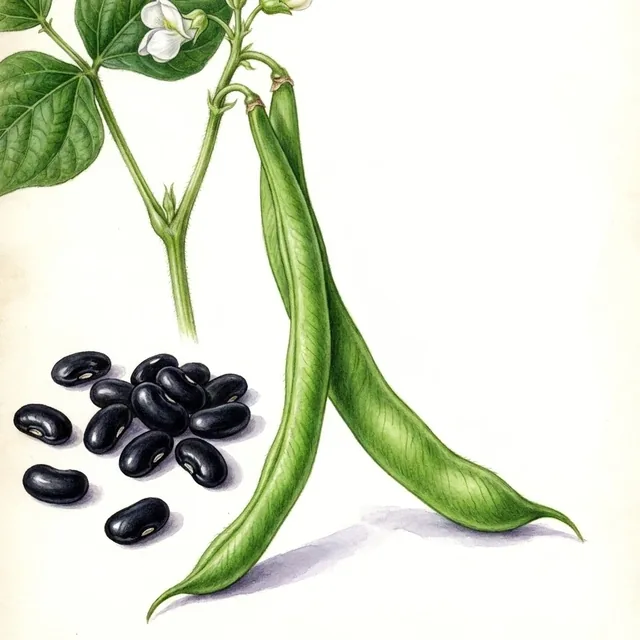
Common Bean Midnight Black Turtle

Common Bean Montezuma Red
Common Bean Nombril de Bonne Sœur

Common Bean Rognon de Coq
Common Bean Rognon de Pont l'Abbé
Common Bean Rose d'Eyragues
Common Bean Soissons Gros Blanc
Common Bean Starazagorsky
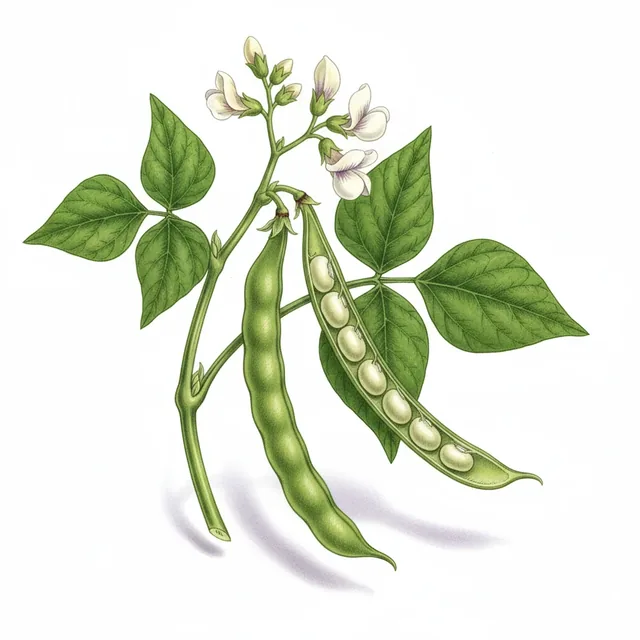
Common Bean Tarbais
Common Bean À Goût de Châtaigne d'Échenans

Contender
Contender
Cowpea Catjang
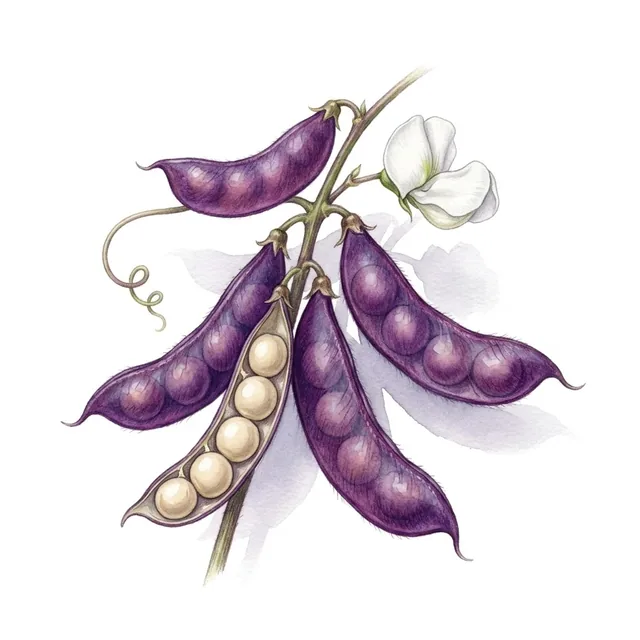
Cowpea Lablab purpureus
Cowpea Sant'Anna
Cupid
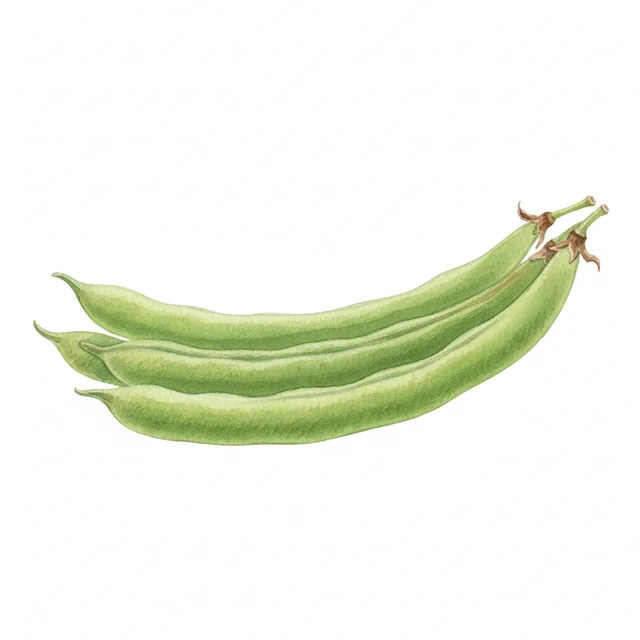
Delinel
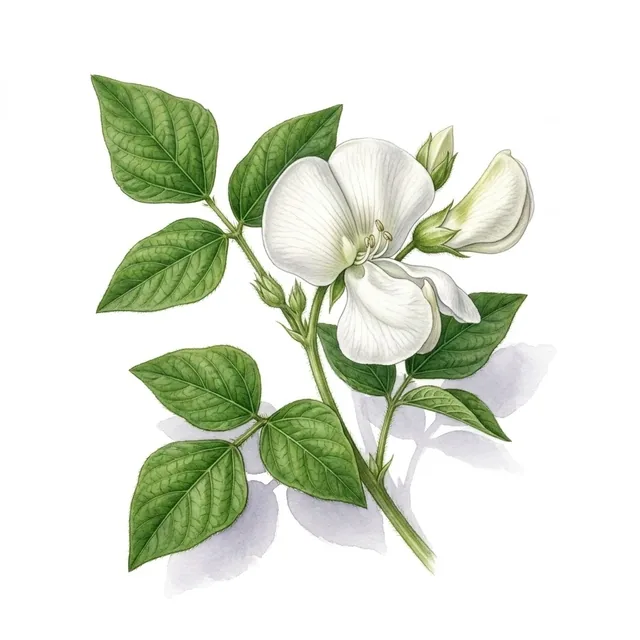
Dolichos Lablab

Dolique D Egypte Lablab
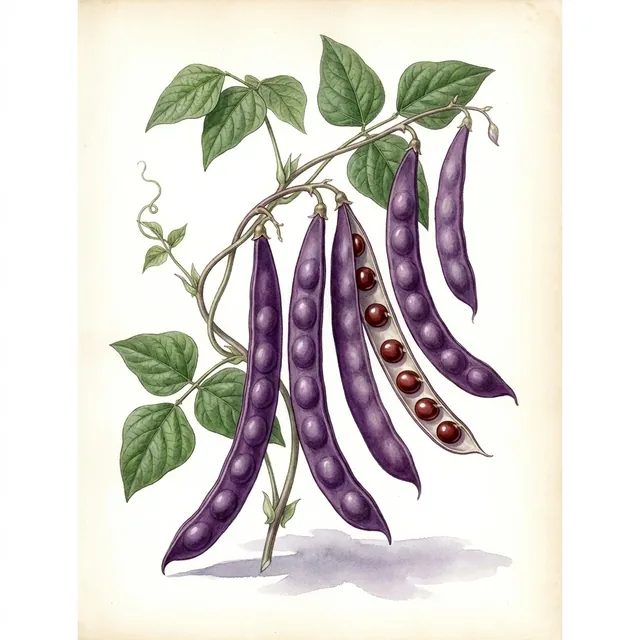
Dolique ou Pois Cuir Ruby Moon
Dolique Verte Tapir Haricot Kilometre
Doliques Haricots Kilometre En Melange
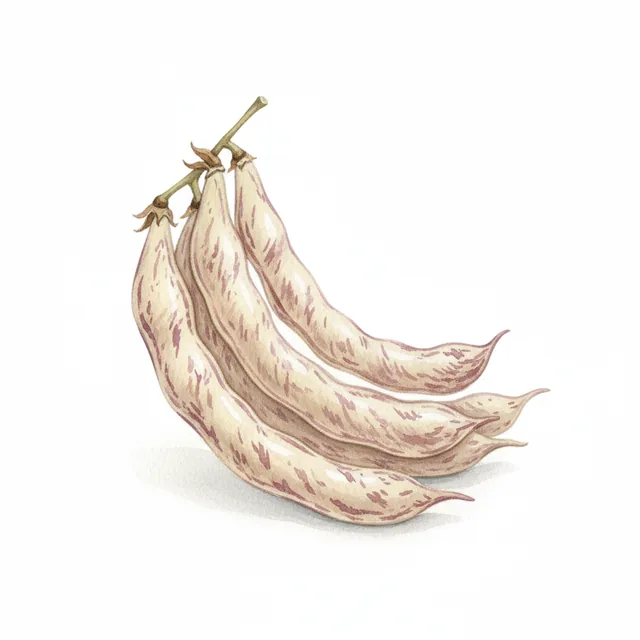
Dragon Tongue
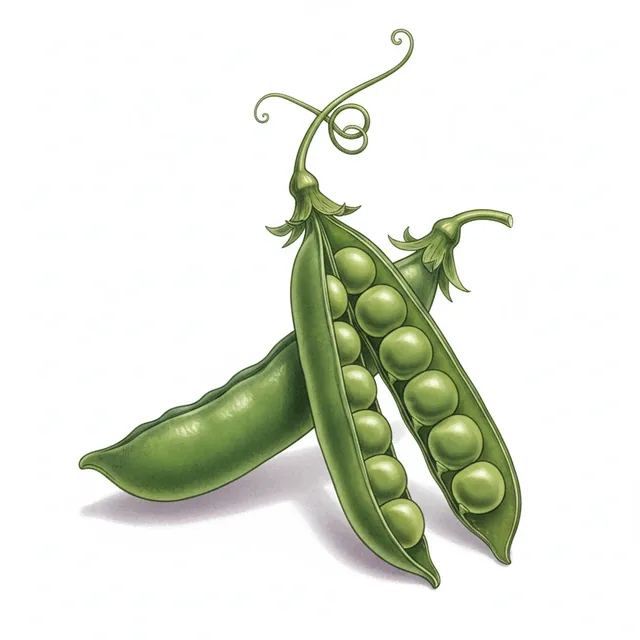
Early Pearl
Emerite

Enorma
Fenugrec
Questions fréquentes
Qu'est-ce que la famille des Fabacées ?
Les Fabacées regroupent 396 variétés dans notre catalogue. C'est un classement botanique qui permet de gérer les rotations de cultures (on évite de cultiver deux plantes de la même famille au même endroit deux années de suite).
Pourquoi la rotation des Fabacées est-elle importante ?
Les plantes d'une même famille partagent souvent les mêmes ravageurs et maladies. Alterner les familles au jardin réduit la pression sanitaire et préserve la fertilité du sol.